
Enlarged Prostate (BPH): Symptoms Men Shouldn’t Ignore
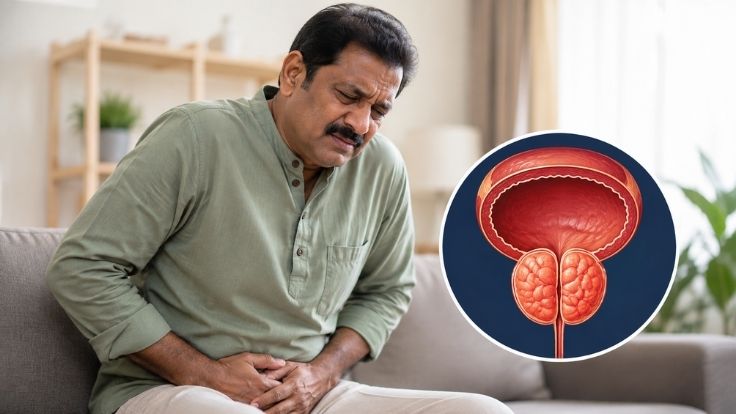
More than 50% of men develop an enlarged prostate by the age of 60, and this number rises to nearly 90% by age 85. Yet despite how common it is, most men wait years before speaking to a doctor about it. Benign Prostatic Hyperplasia (BPH), commonly known as an enlarged prostate, is one of the most widespread conditions affecting men over 50. If you’re searching for a trusted urologist in Thanisandra, understanding early enlarged prostate symptoms can help you seek timely care and avoid complications down the road.
What Is BPH?
BPH is a non-cancerous enlargement of the prostate gland that occurs naturally with age. As the prostate grows, it presses against the urethra, making urination difficult. BPH is not prostate cancer and does not raise your risk of developing it — but if left untreated, it can affect your quality of life and, in some cases, lead to complications.
Enlarged Prostate Symptoms You Shouldn’t Ignore
Many men dismiss early warning signs, assuming they’re just a normal part of aging. Watch for these:
- Frequent nighttime urination (nocturia): Waking up two or more times a night to urinate is often the earliest sign of BPH.
- Difficulty starting urination: A delay of several seconds — or longer — before urine flow begins, even when the urge feels strong.
- Weak stream that stops and starts: The flow is noticeably slower than before, and may stop and restart mid-stream instead of running steadily.
- Straining to urinate: Needing to push or bear down to keep the urine flowing.
- Incomplete bladder emptying: Feeling like the bladder is still full immediately after urinating.
- Urgency and leakage: A sudden, hard-to-control urge to urinate, sometimes leading to leakage before reaching the toilet.
- Overall increase in urination frequency: Needing to urinate more often through the day and night, without any change in fluid intake.
Risks of Ignoring BPH
Left untreated, BPH can lead to:
- Recurrent urinary tract infections
- Bladder stones
- Bladder muscle damage from chronic straining
- Acute urinary retention — a sudden, painful inability to urinate needing emergency care
- In severe cases, kidney damage from urine backup
Early diagnosis means more treatment options — lifestyle changes, medication, or minimally invasive procedures — before symptoms turn severe.
Why Choose Surakshaa Hospital, Thanisandra
If you’re looking for the best hospital for BPH treatment in Thanisandra, Surakshaa Hospital offers complete urological care, from diagnosis through advanced treatment, in a patient-focused environment. The hospital evaluates urinary symptoms thoroughly and guides patients toward the right treatment path — whether medication, minimally invasive therapy, or surgery.
Dr. Sanjay Thonshal, a consulting urologist at Surakshaa Hospital, specializes in diagnosing and managing BPH and other urological conditions, helping patients in Thanisandra and nearby areas receive timely, personalized care.
The Bottom Line
BPH symptoms build up slowly, which is exactly why so many men ignore them. A simple consultation with a urologist — often followed by a quick physical exam and a few basic tests — can lead to effective treatment and real improvement in day-to-day comfort. If you’re experiencing any of the symptoms above, consult Dr. Sanjay Thonshal at Surakshaa Hospital in Thanisandra for an expert evaluation and personalized treatment.