
When Is an Open Appendectomy Needed in an Emergency?
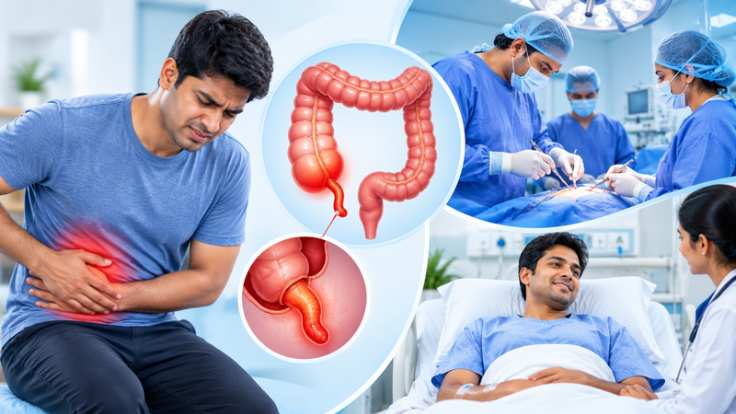
Sudden pain in the lower right side of the belly can be a sign of appendicitis. It is one of the most common surgical emergencies, and it needs quick treatment because the condition can get worse within hours. At Surakshaa Hospital, Thanisandra, our surgical team is available 24/7 to provide safe, timely emergency appendicitis surgery.
What Is Appendicitis?
The appendix is a small, finger-shaped pouch attached to the large intestine, on the lower right side of the belly. When it becomes blocked, swollen, and infected, it’s called appendicitis. If it is not treated in time, the appendix can burst and spread infection inside the belly. This can make the patient seriously ill, so appendicitis is never ignored.
What Is an Open Appendectomy?
An open appendectomy is a surgery to remove the infected appendix through a single cut, about 5 to 10 cm long, in the lower right abdomen. The surgeon can see and reach the appendix directly, remove it, and clean the area properly. The surgery is done under anaesthesia, so the patient feels no pain during the procedure. It is a proven, safe, and widely used appendix operation.
When Is Open Appendectomy Needed in an Emergency?
Most appendix operations can be done by keyhole (laparoscopic) surgery. However, your surgeon may choose open surgery in these situations:
- Burst (ruptured) appendix: Infection spreads fast inside the belly. Open surgery gives a clear view so the surgeon can clean all the infected areas well.
- Abscess or pus collection: A pocket of pus around the appendix may need to be drained and cleaned directly.
- Peritonitis: This is a serious infection of the belly lining. It needs urgent and complete cleaning, which is easier through an open cut.
- Previous abdominal surgery: Scar tissue from earlier operations can make keyhole surgery difficult or unsafe.
- Very sick or unstable patients: When the patient is weak or has a severe infection, open surgery can be faster and safer.
- Late pregnancy: The growing womb can limit space, and an open approach may give better access.
Warning Signs of Appendicitis
Visit the emergency department immediately if you or your family member has these appendicitis symptoms: Pain starting near the navel and slowly moving to the lower right belly
- Pain that gets worse with walking, coughing, or touch
- Loss of appetite, nausea, or vomiting
- Fever
- A swollen or hard belly
Do not depend on painkillers or home remedies. They may hide the pain for some time, but the infection keeps growing, and delay can cause a ruptured appendix.
How Is Appendicitis Diagnosed?
Our doctors first examine the abdomen and ask about your symptoms. They may then advise blood tests, an ultrasound, or a CT scan. These tests confirm appendicitis, show how serious it is, and help the surgeon decide whether open or keyhole surgery is best for you.
Recovery After Open Appendectomy
Most patients recover well with proper care and follow-up.
- Hospital stay: Usually 2 to 4 days, and longer if the appendix had burst
- Pain control: Medicines are given to keep you comfortable, and the pain reduces day by day
- Diet: Light food like liquids and soft meals is started slowly, then normal food as advised
- Wound care: Keep the stitches clean and dry, and follow the dressing advice
- Activity: Gentle walking in a few days helps healing. Avoid heavy lifting for 4 to 6 weeks
Contact your doctor if you have fever, pus or redness at the wound, increasing pain, or repeated vomiting.
Why Choose Surakshaa Hospital, Thanisandra?
- 24/7 emergency surgery and surgical care, so treatment is never delayed
- Experienced surgeons and trained nursing staff
- Modern operation theatres and safe anaesthesia care
- Quick diagnosis and treatment, with tests available at the hospital
- Easy access from Thanisandra Main Road, Hennur, and nearby areas
Final Words
Appendicitis cannot wait. If you or a loved one has severe lower right belly pain, do not delay. Early treatment means a safer surgery, fewer complications, and a faster recovery. Reach Surakshaa Hospital’s emergency department right away.