
Top 5 Risk Factors That Can Lead to Foetal Distress During Pregnancy
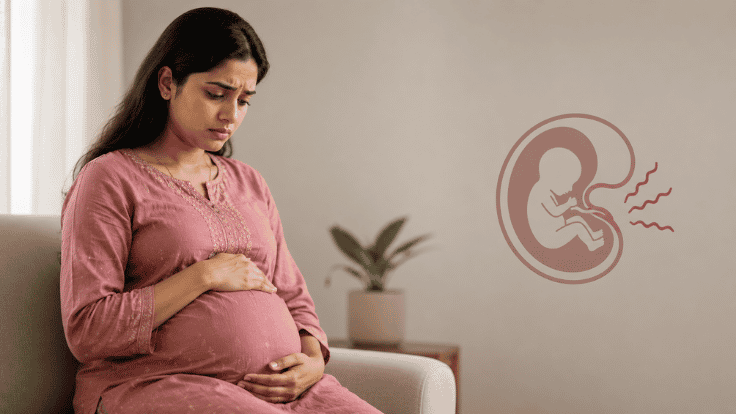
During the journey of pregnancy, it is important to take care of both mother and baby. But some health issues could impact the baby growing in the womb. When the baby is not receiving enough oxygen and is struggling in the womb, this condition is called foetal distress during pregnancy. By monitoring the pregnancy regularly, the issue regarding delivery can be identified early.
At Surakshaa Hospital, we provide advanced pregnancy care and regular monitoring of the foetus. Early diagnosis and timely treatment are our main concerns. This will help mothers to feel safe and confident throughout pregnancy.
With appropriate and consistent medical treatment, doctors can detect complications in time. Good treatment and care during pregnancy ensures better health for the mother and the baby. Regular check-ups during pregnancy also help to minimise serious complications during pregnancy.
Top 5 Risk Factors for Foetal Distress
- Maternal Hypertension
During pregnancy, high blood pressure may decrease the flow of blood to the placenta. This can lead to the lower oxygen supply to the baby and affect the growth inside the womb. When proper treatments are not provided, it increases foetal distress during pregnancy.
Doctors usually monitor:
- Swelling in the body
- Severe headaches
- High blood pressure
- Vision problems
- Placental Complications
The placenta is a thing that provides nutrients and oxygen to the baby during pregnancy. When there is a problem, like placental abruption, it may impact the blood flow and cause serious problems during pregnancy. Which needs immediate medical attention to prevent pregnancy complications affecting baby.
Doctors may monitor:
- Heavy bleeding
- Placental position
- Reduced oxygen supply
- Signs of early labour
- Abnormal Amniotic Fluid Levels
Amniotic fluid is the protective, nutrient-rich fluid that surrounds a developing foetus. When there is a fluctuation in the level of fluid, it can create complications during delivery.
Some possible concerns include:
- Umbilical cord pressure
- Reduced baby movement
- Labour complications
- Breathing problems after birth
- Post-Term Pregnancy
As a pregnancy extends 40 weeks, and particularly beyond 42 weeks, risks rise for both the mother and the baby. In post-term pregnancy, the placenta gradually becomes less effective in supplying oxygen and nutrients to the baby. The amniotic fluid level also reduces, which leads to breathing problems, difficulty in delivery, and the need for emergency delivery.
These are the foetal distress symptoms in pregnancy that doctors carefully monitor during the later stage of pregnancy.
Doctors may monitor:
- Changes in foetal heartbeat
- Reduced baby movement
- Delayed labour
- Multiple Pregnancies
Pregnancies with twins or triplets may need extra medical care. Multiple pregnancies may affect oxygen and blood supply to one or more babies inside the womb.
Many parents ask, “How do doctors identify foetal distress?” Doctors usually monitor:
- Foetal heartbeat
• Baby movement
• Oxygen levels
• Ultrasound scan results
Meet Our Experienced Gynaecologist – Dr V. Nandhini
Dr V. Nandhini, MBBS, DNB (Obstetrics and Gynaecology) is a skilled Obstetrician and Gynaecologist who has more than 5 years of clinical experience working in the field of women’s health. She has strong compassion, careful diagnosis, and patient focus in her treatment planning.
She has experience in:
- Endometriosis management
- Foetal-distress management
- High-risk pregnancy care
- Personalised gynaecological care
- Successful C-section deliveries
Being supportive and caring, she makes patients feel at ease, informed, and confident in their treatment journey.
Why Choose Surakshaa Hospital?
Advanced maternity care and modern foetal facilities are provided by Surakshaa Hospital. Our hospital focuses on early diagnosis, regular monitoring, and safe treatments for mothers and babies.
Key facilities include:
- Experienced gynaecologists
- Advanced foetal monitoring support
- Regular prenatal check-ups
- Continuous follow-up and guidance for mothers
Conclusion
Every pregnancy really does need proper care and regular monitoring, so the health of both mother and baby stays on track. When people understand the main risk factors and they seek support at the right time, it can lower the chance of major complications. With expert guidance at Surakshaa Hospital, doctors can better handle foetal distress symptoms in pregnancy and help mothers move toward a safer, healthier delivery.